
 Scoop has an Ethical Paywall


Friday, 19 April 2024, 10:57am
Women's Rights Party: Health Ministry Should Ban Puberty Blockers
Dunedin Performance: P!nk Powers Dunedin Economy With $16.6 Million Boost
Inspectorate Report : Prisoners Denied Entitlement To Daily Time Out Of Cells
Vaping Study: Shows Link To Heart Failure
New Survey Shows: We Need To Sharpen Up About Privacy Risks For Kids
 Gordon Campbell: On The Public Sector Carnage, And Misogyny As Terrorism
 National Maori Authority: Maori Authority Warns Government On Fast Track Legislation
 NZ Government: Comprehensive Partnership The Goal For NZ And The Philippines
 DoC: Canterbury Spotted Skink In Serious Trouble
 Te Pāti Māori: Oranga Tamariki Cuts Commit Tamariki To State Abuse
 NZCTU: Inflation Data Shows Need For A Plan On Climate And Population
 Statistics New Zealand: Annual Inflation At 4.0 Percent
LATEST HEADLINES
- PARLIAMENT
- POLITICS
- REGIONAL
- Minister To Europe For OECD Meeting, Anzac Day 9:26 AM | New Zealand Government
- Comprehensive Partnership The Goal For NZ And The Philippines 6:22 AM | New Zealand Governm...
- Waitangi Tribunal Picked The Wrong Fight 18/04/24 | ACT New Zealand
- Taupō Takes Pole Position 18/04/24 | New Zealand Government
- Cost Of Living Support For Low-income Homeowners 18/04/24 | New Zealand Government
- Government Focused On Getting People Into Work 18/04/24 | New Zealand Government
- Clean Energy Key Driver To Reducing Emissions 18/04/24 | New Zealand Government
- Wellington Scoop
- Extra $8.3m for urgent work on water infrastructure problems
- Earthquake-prone deadline extended – mayor welcomes decision
- Unions’ “Keep The Airport Ours” forum was democracy in action
- Damaged Tiriti display panel to be taken down at Te Papa
- Public sector carnage
- Sacking education staff and hiring contractors
- 440 jobs cut at Oranga Tamariki; 565 jobs cut at Ministry of Education
 John Mazenier: Gaffer Tape And Glue Delivering New Zealand’s Mission Critical Services
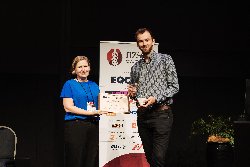 Earthquake Commission: Ivan Skinner Award Winner Inspired By Real-life Earthquake Experience
 Reserve Bank: Consultation Opens On A Digital Currency For New Zealand
 NIWA: Ship Anchors May Cause Extensive And Long-lasting Damage To The Seafloor, According To New Research
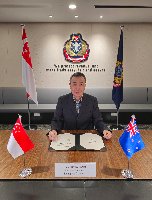 New Zealand Customs Service: A Step Forward For Simpler Trade Between New Zealand And Singapore
 Horizon Research: 68% Say Make Banks Offer Fraud Protection
LATEST HEADLINES
- BUSINESS
- SCI-TECH
- Woolworths Marks Milestone With 50th Woolworths Store In New Zealand 10:25 AM | Woolworths N...
- Netflix Pipeline Leads To Consecutive Quarters Of Global Demand Share Growth 9:57 AM
- Air New Zealand Shares Summer Schedule Updates 9:08 AM | Air New Zealand
- Exploring The World Of Alternative Cryptocurrencies 8:53 AM | Hugh Grant
- Fonterra Appoints Permanent COO 8:50 AM | Fonterra
- BDO Business Wellbeing Index (April 2024 Report) 8:04 AM | BDO New Zealand
- New Research Finds AI Skills Could Boost New Zealand Salaries By More Than 30% A... 4:57 AM
 Ian Powell: New Hospital Building Trumps ‘Yes Minister’ Hospital Without Patients
 Mike Treen: Prices Are Still Rising - It's A Cost Of Living Crisis
 Gordon Campbell: On When Racism Comes Disguised As Anti-racism
 Peter Dunne: Newshub And TVNZ Tip Of Media Iceberg
 Harry Finch: Austerity – For And Against
 Gordon Campbell: On Winston Peters’ Pathetic Speech At The UN
LATEST HEADLINES
- TOP SCOOPS
- Cruelty Of Language: Leaked NY Times Memo Reveals Moral Depravity Of US Media 7:08 AM
- New Hospital Building Trumps ‘Yes Minister’ Hospital Without Patients 7:05 AM | Ian Powell
- Prices Are Still Rising - It's A Cost Of Living Crisis 18/04/24 | Mike Treen
- Navigating The Divide: Violence VS Terrorism In Recent Tragic Incidents 18/04/24 | Syed Atiq...
- When Namibia Stands Up To Germany: How Gaza Revolutionized The Global South 18/04/24
- On The Public Sector Carnage, And Misogyny As Terrorism 18/04/24 | Gordon Campbell
- Dunne's Weekly: Newshub And TVNZ Tip Of Media Iceberg 18/04/24 | Peter Dunne
 Carbon Market Watch: Going For Green - Is The Paris Olympics Winning The Race Against The Climate Clock?
 New Zealand Defence Force: NZDF Working With Pacific Neighbours To Support Solomon Islands Election
 UN News: Ceasefire The Only Way To End Killing And Injuring Of Children In Gaza
 ICHRP: US-Japan-Philippines Trilateral Summit Makes The Philippines A Battlefield For US-China Conflict
 East West Center: Environmental Journalist Alexander Kaufman Receives East-West Center’s Inaugural Melvin M.S. Goo Writing Fellowship
 Compassion in World Farming: Octopus Farm Must Be Stopped, Say Campaigners
LATEST HEADLINES
- WORLD
- Senator Cardin Must Help End The Blockade Of Cuba 10:37 AM | Independent Media Institute
- New Zealanders Flock To Fiji: Figures Reveal Highest Ever Number Of Kiwi Visitor... 9:02 AM
- Embrace Innovation ‘To Make Sustainable Transport A Reality For All’ 8:39 AM | UN News
- ‘Investing In Youth Is Investing In Peace’, UN Security Council Hears 8:36 AM | UN News
- Transform Landmark Indigenous Rights Declaration Into Reality: UN General Assemb... 8:06 AM
- The Museum For The United Nations - UN Live Launches A New Global Music Initiati... 5:48 AM
- Violations Of Women’s Reproductive Health Rights Trigger Rise In Preventable Dea... 4:38 AM
 NZEI: Ministry Of Education Cuts Will Disproportionately Affect Pasifika
 Day One Hapai te Haeata: Call To Action For Young Filmmakers Against The Backdrop Of Funding Cuts
 Toyota New Zealand: Three Races For Top Three To Decide TR86 Title
 Wellington City Council: Wellington Is All Action Stations For The Faultline Ultra Festival
 Melanie Allison: Local Playwright Casts A Spell Over Hamilton
 Te Kohao Health: New $12M Wellness & Diagnostic Centre Opens In Hamilton ‘Disrupting The Historic Continuum’ For Māori
LATEST HEADLINES
- CULTURE
- HEALTH
- EDUCATION
- Lōemis Festival Return's June 9th - 21st, To Te Whanganui-a-Tara For Its Ninth I... 9:33 AM
- Events Deliver Almost $16 Million Boost To Auckland’s Economy 9:31 AM | Tataki Auckland Unl...
- Organiser Confirms That Highlands Circuit Will Host Second South Island Event Fo... 8:50 AM
- First Rotorua Marathon Winner Returns For 60th Anniversary Edition 18/04/24 | Athletics New ...
- Anticipation Builds For The Premier Event In The Agricultural Calendar 18/04/24 | Fieldays N...
- ‘Les Misérables’ Returns To New Zealand Cinemas With A Boldly Remastered Version 18/04/24
- 3 NZ Writers Shortlisted For Commonwealth Short Story Prize 18/04/24 | Commonwealth Foundati...
